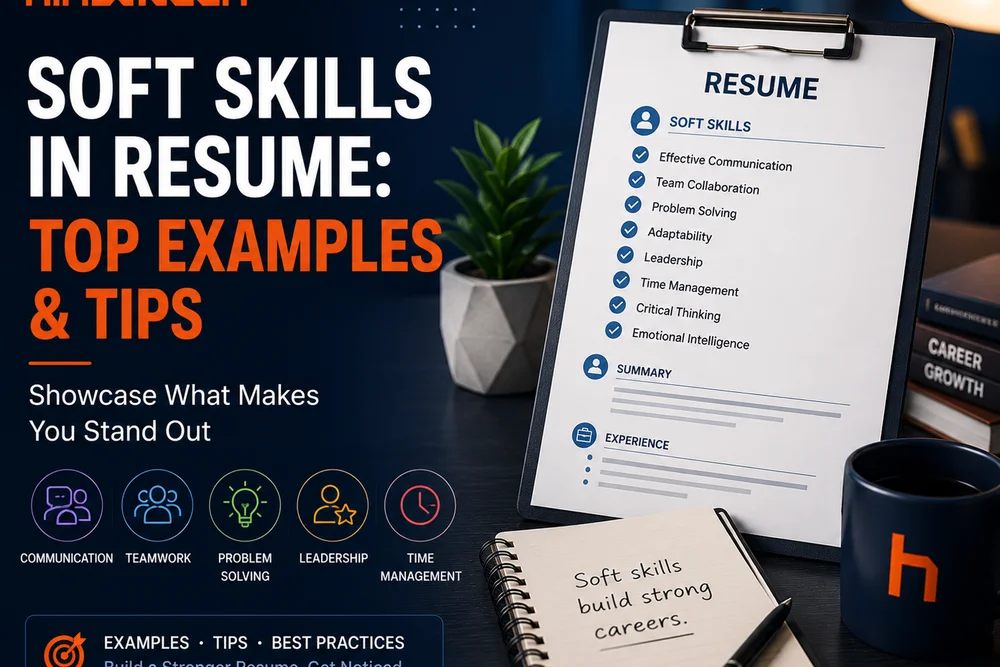
Adding the right soft skills in your resume can increase your chances of getting shortlisted for interviews. LinkedIn’s Global Talent Trends report shows 92% of hiring teams see soft skills as equally or more important than hard skills. Soft skills show how you communicate and handle situations in a professional setting. Recruiters prefer resumes that present these strengths clearly because it helps them quickly judge if a candidate fits the role and the company culture.
In this blog, we will break down the definition of soft skills and share 10+ top examples for your resume. We will also show how to add soft skills in your resume professionally and give practical tips to improve them over time.
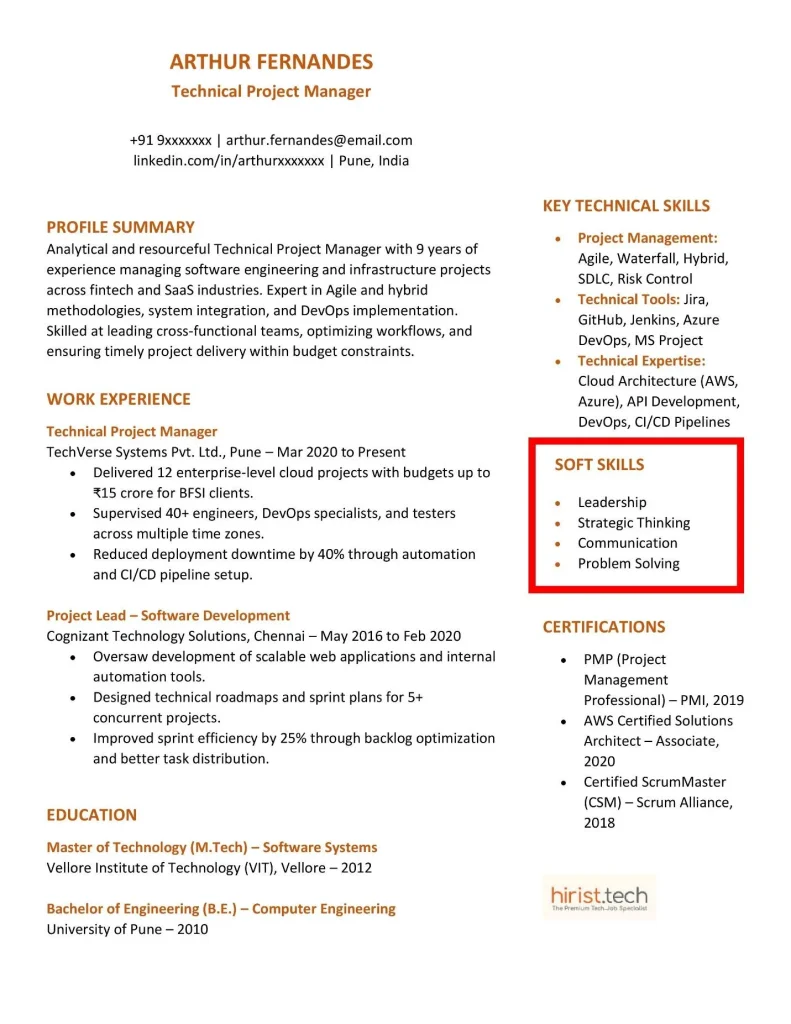
Example of soft skills in resume
Before we discuss the meaning of soft skills, let’s look at how soft skills in resume sections appear. Below is an example of a resume with soft skills, so you know exactly how it fits.
What are soft skills?
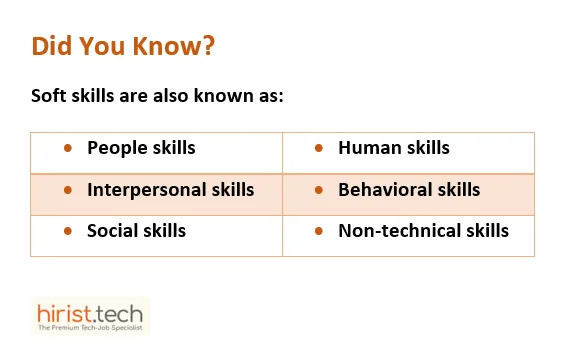
Soft skills are personal and non-technical abilities that shape how you interact and collaborate with others in social and professional environments. They are not tied to formal technical training and often come from experience.
Common examples of soft skills include:
- Communication
- Teamwork
- Leadership
- Time management
- Problem analysis
- Decision-making
- Emotional awareness
- Active listening
- Conflict resolution
- Work ethic
The term “soft skills” gained momentum in the 1970s through U.S. Army training programs, where behavioral competence was assessed separately from technical ability. Over the years companies adopted the same idea, and it eventually became a standard part of resume and hiring assessments. That’s why it is important to include the right soft skills in resume and CVs.
Hard skills vs. soft skills: What’s the difference?
Hard skills are teachable and measurable like software or technical knowledge. Soft skills show your personal working style and how you perform those hard skills with others. Here are the key differences between soft skills and hard skills:
| Soft Skills | Hard Skills |
|---|---|
| Personal and behavior-based abilities | Technical and job-specific abilities |
| Built through interaction and experience | Learned through courses and training |
| Hard to measure with tests | Easy to measure or certify |
| Used in any industry or job | Tied to a profession or tool |
| Examples include communication, teamwork, time management | Examples include coding, graphic design, accounting |
| Assessed in interviews and team settings | Checked through tasks and practical assessments |
Note: The best way to add soft skills for CV is to create a separate section, so that recruiters can clearly check your key skills.
Why are soft skills important?
Soft skills shape how work gets done between people and within situations. Technical knowledge opens doors, but personal abilities decide who grows and leads well when the pressure is real. Here’s why soft skills are important:
- Keeps communication clear and productive
- Builds trust with colleagues and clients
- Helps teams run smoothly under pressure
- Supports better decisions in everyday work
- Reduces friction when working with different personalities
Interesting Fact:
Studies from Harvard University, the Carnegie Foundation, and the Stanford Research Center show that 85% of career success depends on soft skills and people skills.
Also Read - Achievements in Resume: 70+ Examples & How to Write Them
Top 10+ soft skills to add in your resume (with examples)
Here is the list of 10+ soft skills that recruiters value most in 2026 when hiring candidates. You can use this soft skills list and examples to add the right abilities in your resume.
1. Communication
Communication is a core workplace skill that helps you build strong professional relations and avoid conflicts. A hiring survey shows 57% of employers rank communication as the top skill they look for in candidates. It is very important in sales, support, HR, teaching, and management roles. Recruiters usually check it through how you talk during interviews and write emails. Examples of communication skills include:
- Verbal communication
- Written communication
- Active listening
- Public speaking
- Presentation skills
- Client communication
2. Teamwork and collaboration
Teamwork means working with others in harmony and keeping the group goal above personal credit. Collaboration-heavy jobs like project management and event planning thrive on this skill. Recruiters value candidates who can co-create solutions and work comfortably with different team members. Here are the examples of teamwork skills for CV:
- Team collaboration
- Cross-team coordination
- Stakeholder alignment
- Idea sharing
- Peer support
- Group accountability
3. Problem-solving
Problem-solving is about spotting issues and finding practical fixes without waiting for instructions. This skill helps jobs in IT, operations, and customer-facing roles. Recruiters look for candidates who don’t panic when problems land. Good problem-solvers reduce repeat errors over time. You can use these examples to show your problem-solving skills:
- Analytical thinking
- Logical reasoning
- Troubleshooting
- Root-cause analysis
- Brainstorming
- Independent problem resolution
4. Time management
Time management is the ability to plan your workday, organise tasks, and meet deadlines without burnout or chaos. It benefits roles with multiple tasks: admin, marketing, sales, logistics, and project work. Recruiters value candidates who respect timelines and deliver work consistently. Include these examples of time management skills in your resume:
- Deadline management
- Task prioritization
- Scheduling
- Workload planning
- Multitasking
- Prioritization
5. Adaptability
Adaptability is your ability to adjust when tools change or teams restructure. It benefits fast-moving fields like IT and digital marketing. Recruiters look for candidates who learn new systems quickly and stay calm in changing environments. Here are some examples of adaptability skills in resume:
- Change adaptability
- Learning agility
- Self-management
- Optimism
- Flexibility
- Rapid skill uptake
6. Critical thinking
Critical thinking helps in analytics, research, and technical roles. It is the habit of checking facts before conclusions. Companies need candidates who question assumptions and spot gaps early. Strong critical thinkers compare options and choose the most logical path. You can use these examples to show your critical thinking skills:
- Data interpretation
- Logical analysis
- Pattern recognition
- Research
- Evaluation
- Decision reasoning
7. Work ethic
Work ethic reflects your discipline and commitment to doing the work properly even when no one is watching. It benefits every serious career path, especially jobs in management and client-driven roles. Use these examples to show you work ethic skills:
- Work discipline
- Professional accountability
- Responsibility
- Commitment
- Reliability
- Self-motivation
8. Emotional intelligence
Emotional intelligence is the ability to understand emotions and respond with maturity in disagreements or stressful moments. It helps in roles with people pressure: HR, support, healthcare, sales, and management. Examples of emotional intelligence skills:
- Emotional awareness
- Empathy
- Feedback acceptance
- Self-regulation
- Social awareness
- Relationship management
9. Creativity
You need creativity in almost every field. It is highly important in design and marketing jobs. Creativity is the ability to think differently and approach work without templates or repetition. Recruiters look for fresh thinking that still fits goals and budgets. Here are some examples of creativity soft skills to add in resume:
- Creative thinking
- Visual ideation
- Content design
- Innovation mindset
- Concept building
- Original problem framing
10. Decision-making
Decision-making is choosing a direction with the information you have. It matters in management, product roles, operations, and sales planning. Companies need candidates who decide and own results. You can use these examples of decision-making skills:
- Decision ownership
- Risk evaluation
- Judgement
- Outcome analysis
- Accountability
- Strategic choice-making
11. Leadership
Leadership is your ability to guide teams and make people feel supported while driving outcomes. Recruiters value candidates who lead without ego and bring clarity when teams hit blockers. Leadership is influence. Common leadership skills include:
- People management
- Team leadership
- Mentoring
- Delegation
- Motivational leadership
- Strategic direction
12. Conflict resolution
Conflict resolution is the ability to manage disagreements, mediate between ideas or people, and find solutions both sides accept. It matters where people work closely: teams, client service, HR, sales, and management. Recruiters like candidates who keep issues from turning personal. Examples of conflict resolution skills for CV:
- Conflict mediation
- Negotiation
- Dispute resolution
- Calm communication
- Mediation
- People-first problem resolution
13. Resilience
This is one of the most important soft skills in resume. Resilience is staying functional during setbacks. It is important in sales targets, agency deadlines, operations, leadership roles, and high-volume support. Employers need candidates who recover quickly and keep work quality steady. You can use these examples to show your resilience skills:
- Stress tolerance
- Mental stamina
- Persistence
- Pressure handling
- Career endurance
- Setback recovery
Soft skills in resume: Examples for freshers and experienced professionals
You should always list soft skills in resume based on your experience level. Here are the examples of soft skills for resume for freshers and experienced professionals.
| Soft Skills for Resume for Freshers | Soft Skills for Experienced Professionals |
|---|---|
| Communication | Team leadership |
| Teamwork | Decision-making |
| Time management | Conflict resolution |
| Problem-solving | Stakeholder communication |
| Creativity | Project coordination |
| Adaptability | Deadline planning |
| Active listening | People management |
| Work ethic | Analytical thinking |
| Emotional awareness | Resilience |
| Collaboration | Accountability |
| Decision ownership | |
| Strategic thinking |
Quick Fact:
Deloitte predicts jobs that need strong soft skills will grow 2.5x faster than other roles and will form 63% of all jobs by 2030.
Also Read - Declaration in Resume: Meaning, Format & Examples
How to add soft skills in your resume?
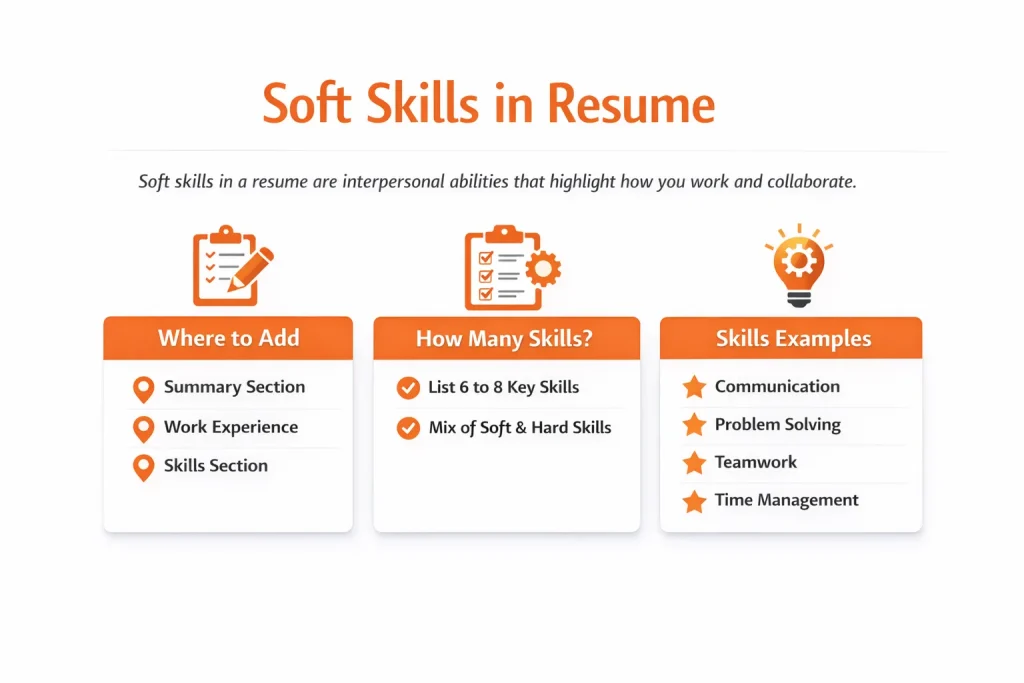
A resume with soft skills works better when they are added in the right sections and supported with real work or project experience. Here are the steps to show soft skills on your resume:
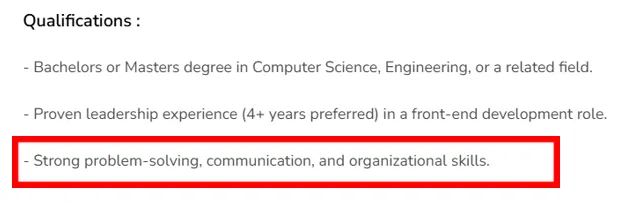
1. Read the job post carefully
Make a list of soft skills the role needs. Pick the ones you truly have shown in projects, internships, freelance work or team tasks. These become your soft skills to add in resume without forcing anything.
Example:
2. First add them in the summary section
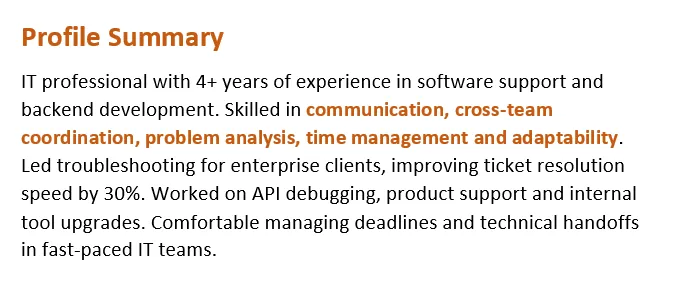
The first place where you must add your soft skills is the summary section. Write 1 to 2 lines in the summary about how you work with people and deadlines. Recruiters like seeing soft skills in resume summaries because it helps them picture you in the role quickly.
Example:
3. Show them again in work bullets
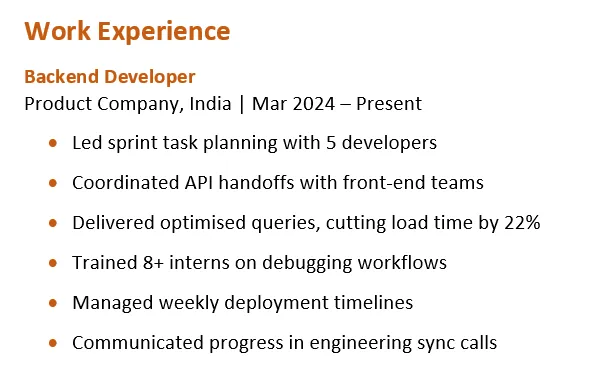
The next place to add soft skills in resume is the work experience section. Include them in bullet points and talk about the responsibilities you handled. Use role-based action words like led, organised, coordinated, built, solved, delivered, trained, and managed. This makes your resume with soft skills even better.
Example:
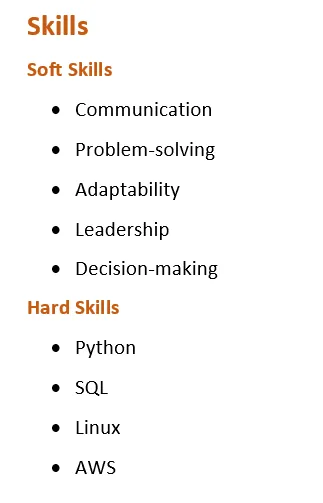
4. Create a separate skills section
Use a heading like “Skills” and list 6 to 8 skills max. Split hard and soft skills so they are easy to scan. This works well for both soft skills for CV and resumes.
Example:
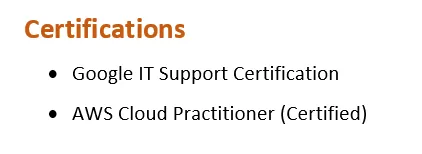
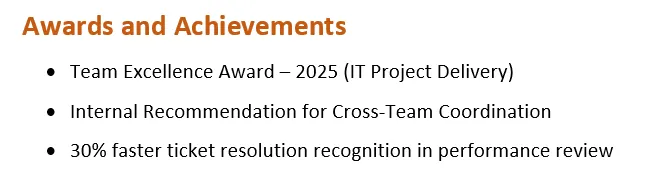
5. Support them with proof if you have it
This part is very important. You need to show proof that you actually have the skills. So, make sure you add any certificates, recommendations, or awards if they relate directly to a skill you are listing. It adds credibility to your resume with soft skills without copying anyone’s style.
Example:
Also Read - How to Write a Compelling Career Objective in Resume? Step-by-Step Guide with Examples
Why should you add soft skill in your resume?
Soft skills influence how well you handle conversations, teamwork, deadlines, and problems in a job. A resume with soft skills helps recruiters picture you in real work situations. Here’s why it is important to add soft skills in resume:
- Recruiters check soft skills early in resumes and CVs
- Many companies ask for them directly in job descriptions
- Including the right soft skills gives you an advantage over others
- Gives recruiters enough context to understand your working style
- Resume with soft skills makes your profile feel complete
- Increases your chances of getting an interview call
Also Read - Recommendation Letter Template: Free Samples & Format
Tips to improve your soft skills
Strong soft skills come from deliberate practice and real experiences. The better you train them, the easier it becomes to present soft skills in resume naturally. Here are some tips to develop and improve your soft skills:
- Do an honest self-assessment: Check your work and identify gaps in your skills list. Pick 1 to 2 soft skills to improve first.
- Practice in real life: Take part in actual group tasks like discussions or office projects. Repeating real interaction builds confidence and teamwork naturally.
- Do things outside your comfort zone: Try a task you usually avoid, like speaking in a meeting or leading a small activity. This helps you build adaptability and decision confidence.
- Improve how you communicate: Practise speaking clearly in person, writing simple emails, and presenting short updates. Communication improves all your other skills.
- Ask for feedback: Talk to one mentor or colleague every 2 weeks. Take one suggestion and apply it till improvement becomes visible.
- Use learning resources: Use a short course or workshop when you need direction. Choose one learning source at a time to avoid confusion and keep progress steady.
Also Read - Resume Email Sample: Templates, Examples & Tips
Wrapping up
So, these are the top 10+ soft skills you can add in the resume to make it stronger. Including soft skills in the resume can help you get better job opportunities because recruiters consider them when making hiring decisions.
Now that you know the top soft skills examples and tips, it is time to put them to work. Great IT roles expect professionals who can apply skills with clarity and maturity. Find the best IT jobs in India on Hirist, India’s online job portal for top tech careers.
FAQs
Soft skills are personal abilities that show how you communicate, work in teams, handle time, solve problems, and behave at work. They are not technical skills.
Communication, teamwork, adaptability, problem-solving, and time management are the most valued across industries.
dd them in a separate skills section or mention them in your summary and work experience bullets with real examples.
Write the skill name clearly (example: Leadership, Teamwork). Then support it with proof like projects, roles, feedback, or responsibilities.
You do have them. Most people fail to notice them because they think soft skills are corporate sentences. They are actually habits you show in real situations like teamwork, deadlines, or communication under pressure.
For IT jobs in India, a 70% hard skills and 30% soft skills mix works best. For non-IT roles, 50:50 or 60:40 is common depending on job needs.
dd them when the job involves people interaction, teamwork, deadlines, leadership, coordination, or client communication. Almost every role needs them today.
It is not compulsory, but highly recommended. Most recruiters expect to see them clearly separated.
Yes. A resume with soft skills helps recruiters understand you faster. Clear skill sections make scanning easier and shortlisting quicker.
Freshers should add skills they have shown in college or internships like communication, teamwork, adaptability, time management, creativity, and active listening.
Communication, leadership, teamwork, resilience, adaptability, problem-solving, time management, and emotional intelligence are top picks in 2026 hiring trends.